HOW TO DESIGN | 2024 MIT
Paul Pettigrew - Professor | Berfin Ataman - Teaching Assistant | Qingyang Xie - Teaching Assistant | Will McKenna - Technical Instructor
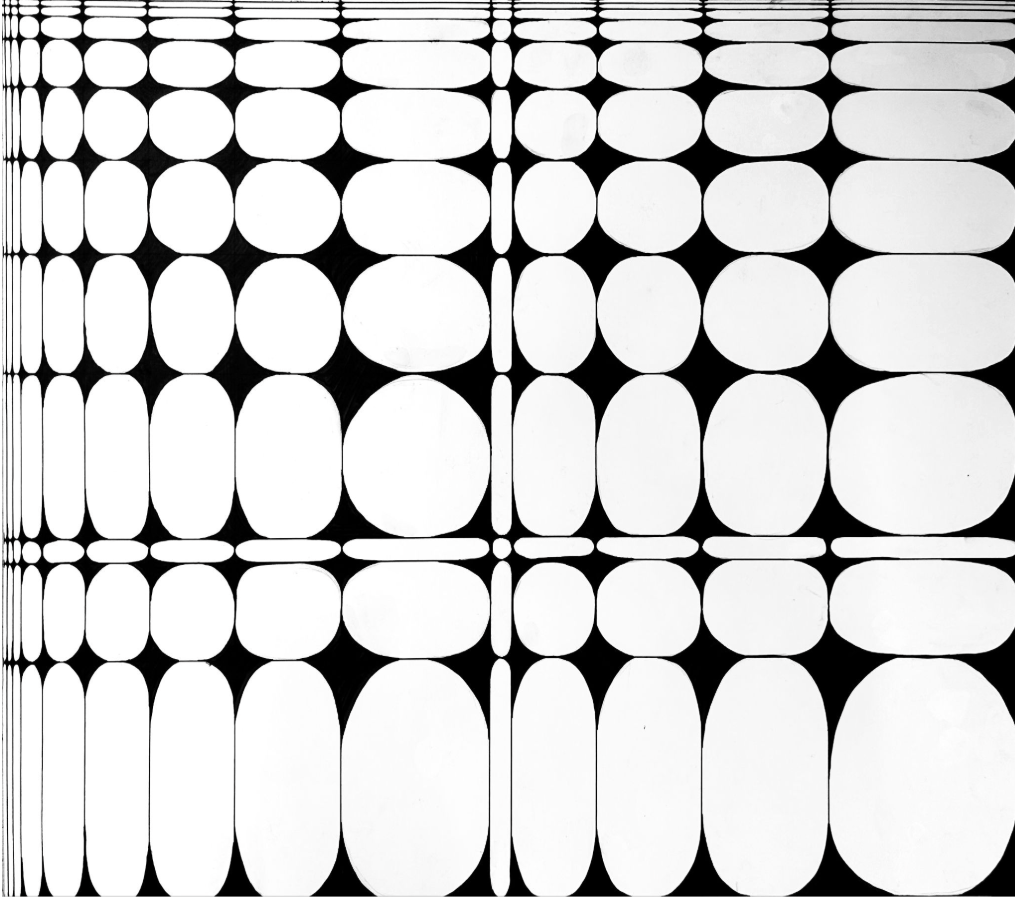
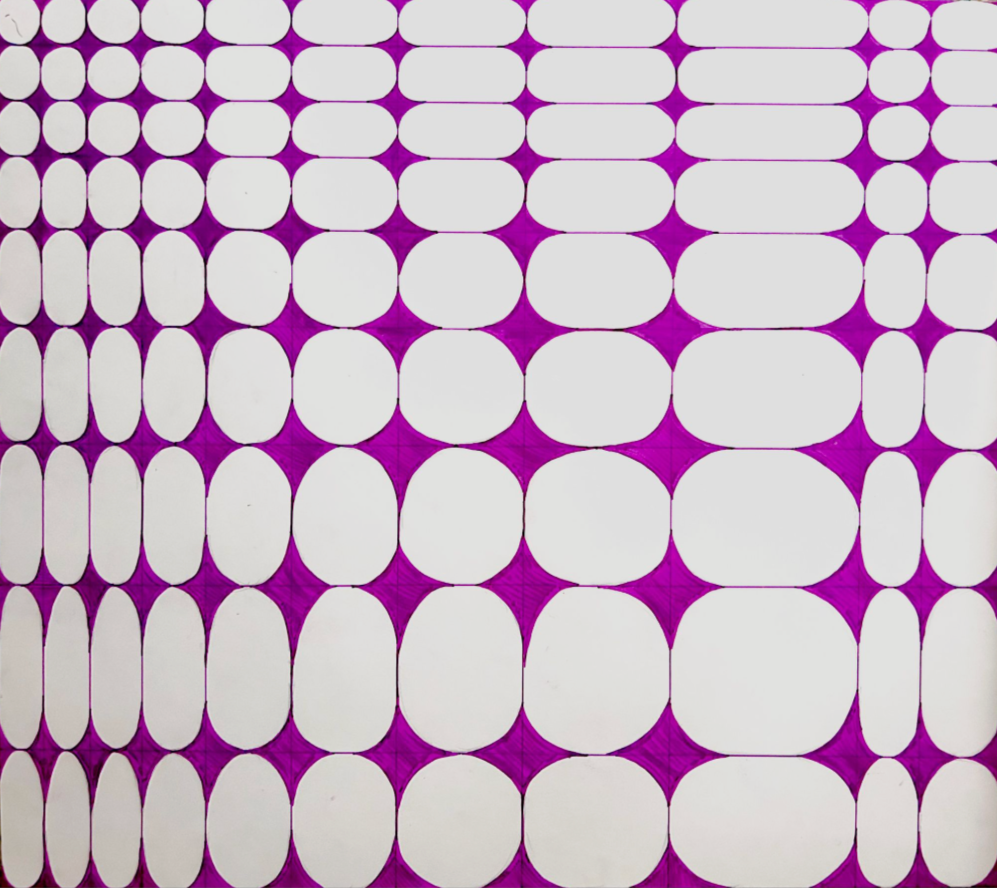
RULE BASED DRAWING
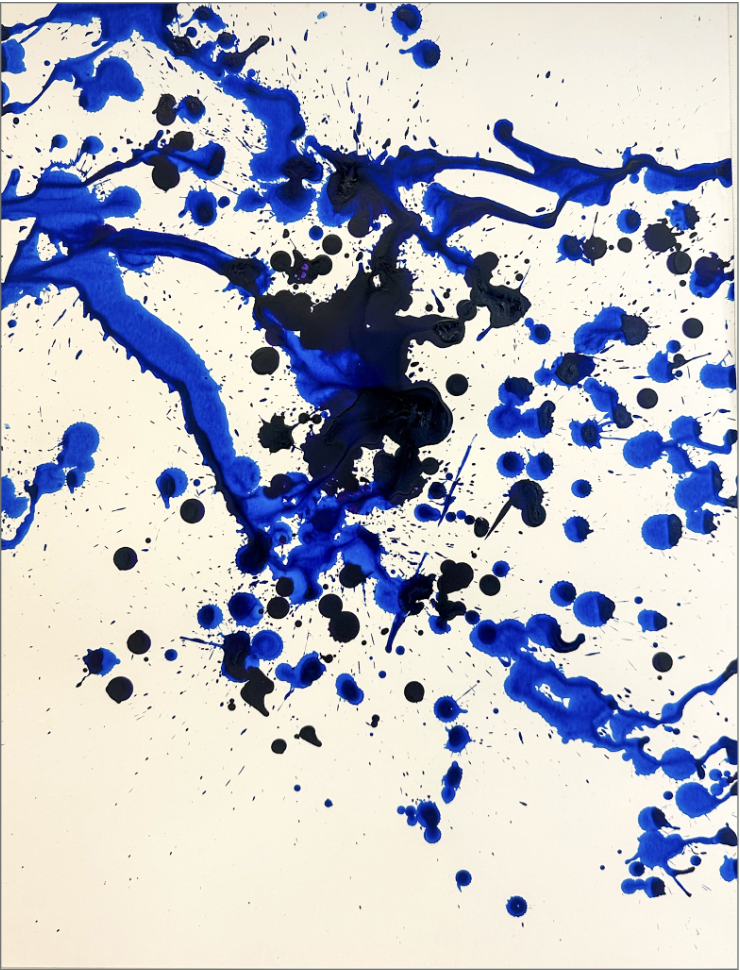
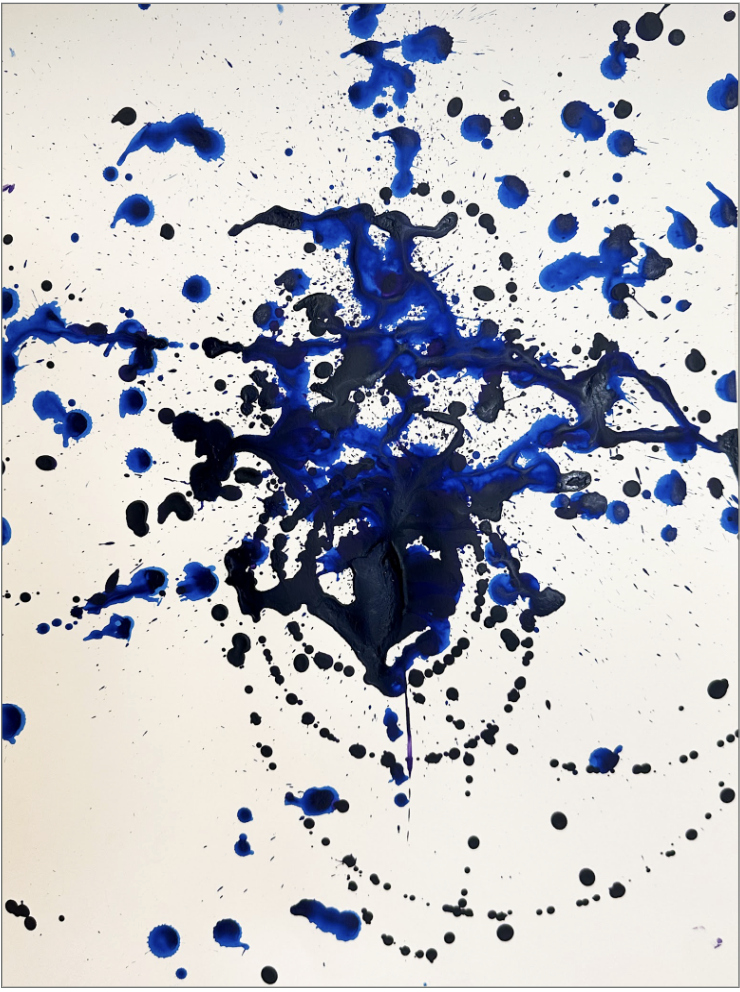
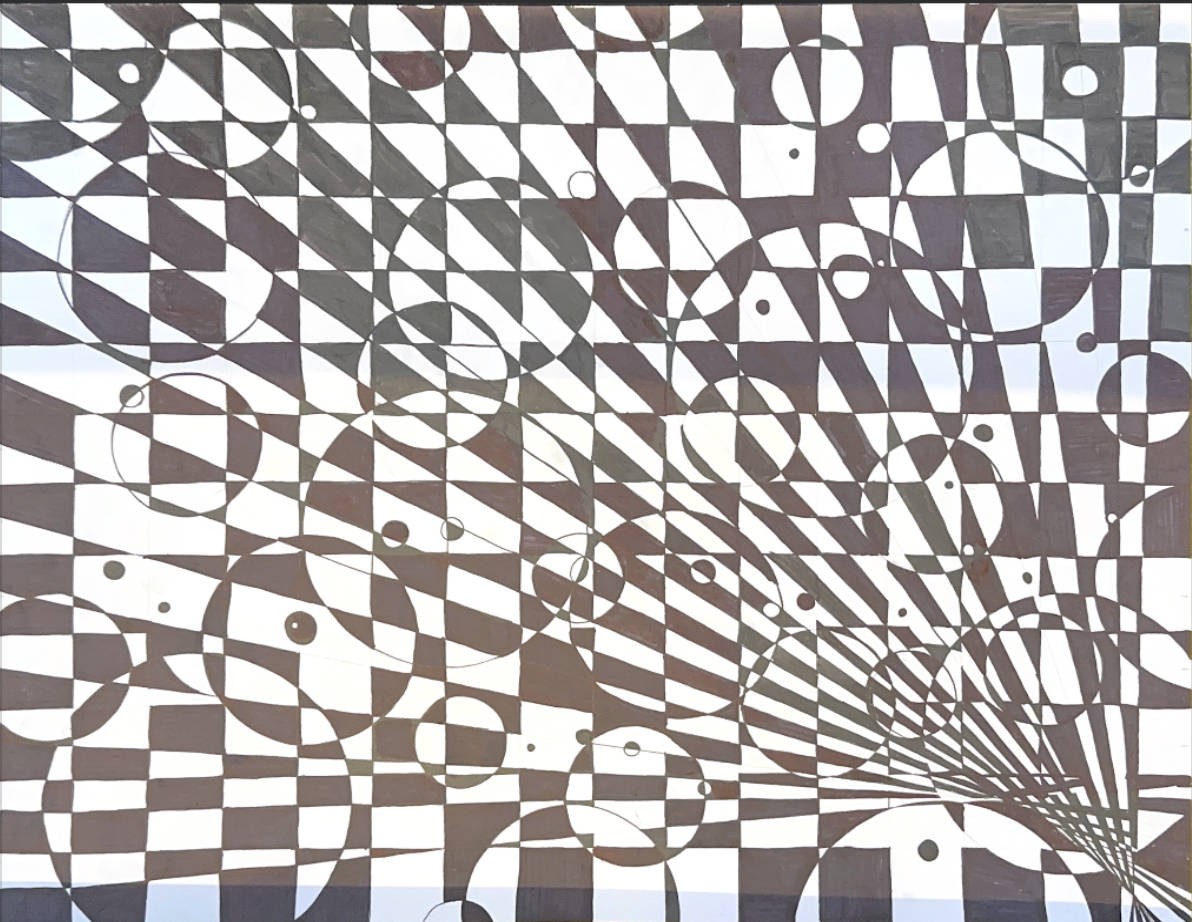
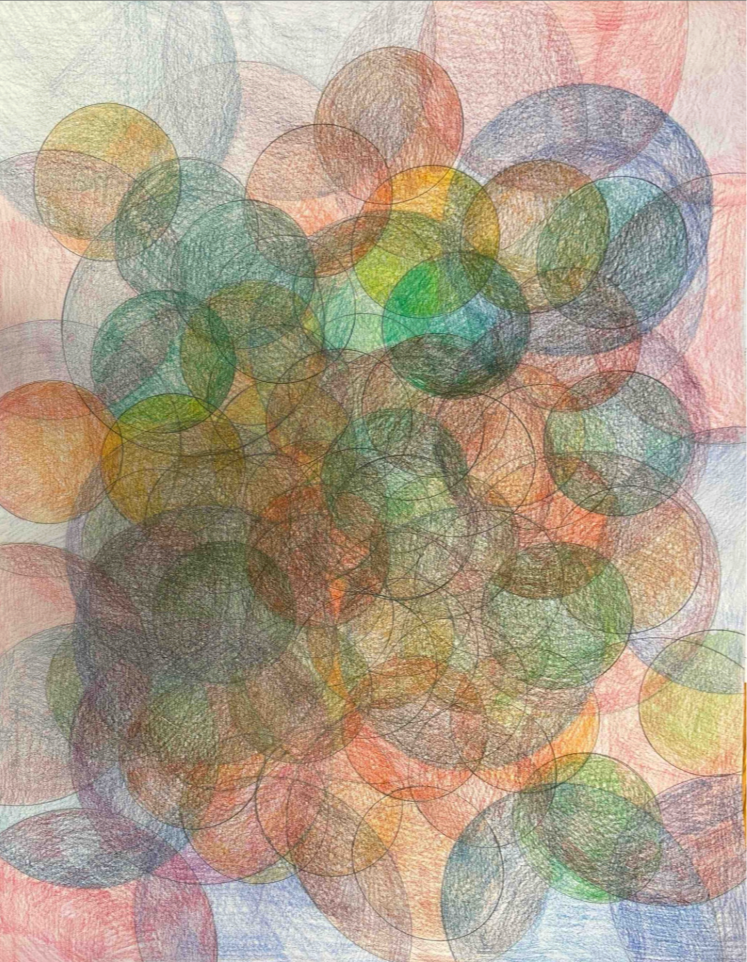
Students were asked to select a drawing tool/tools, and a method/methods for using your tool(s), by developing a series of rules that govern the use of chosen tool(s). The rules should be a set of written instructions used to produce a drawing initially authored by you, and subsequently authored by one or more of your classmates. The intent of this exercise is to allow “a way in” for each of you, regardless of your prior experience in design. This exercise will also begin to establish a common set of graphic and verbal vocabularies that we will use throughout the semester, in a variety of contexts. Rule Based Drawing should consider how your drawing acts to divide the space of the drawing paper; how various lines, marks, brush strokes or imprints interact with one another; how various parts affect the larger whole; and, how each successive rule interacts with each and all previous rules
Featured Work: Skye Williams, Serena Sara
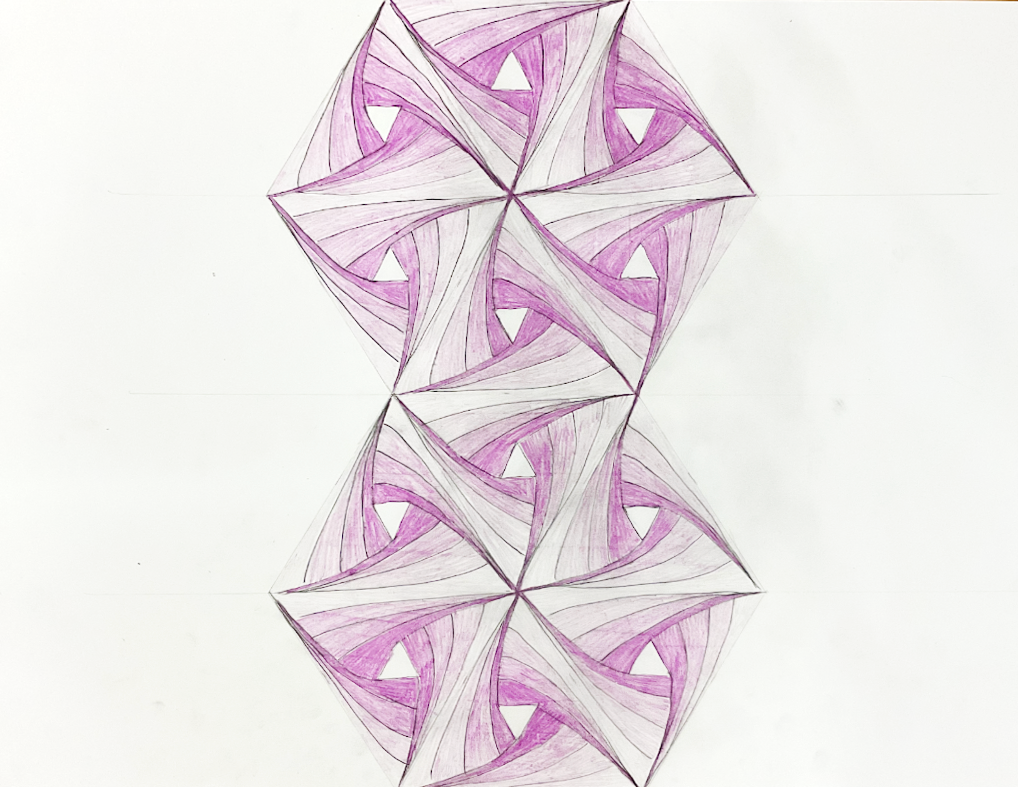
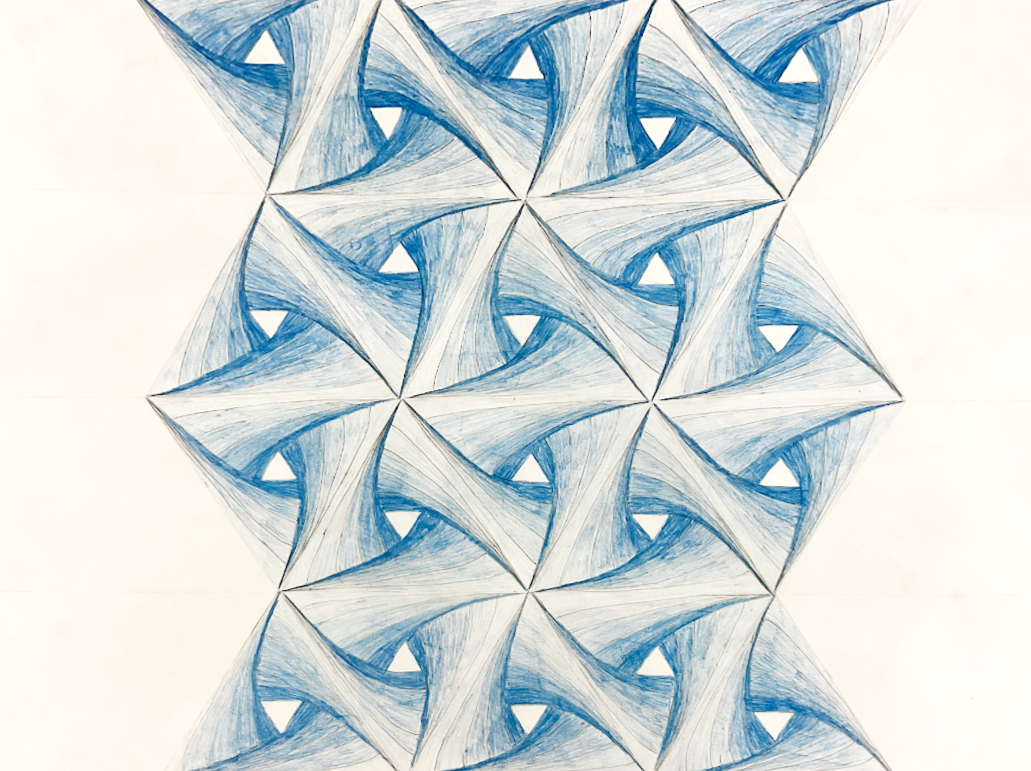
CUT &FOLD
On a sheet of 19” x 24” paper organize, compose, reveal & cut a field of geometric constructions. Your field of geometric constructions should be set up by a structure or set of rules that establishes a relationship between the geometry of your field of lines, the geometric constructions that result from your cuts and folds, and the sheet of paper that your constructions occupy. Make a distinction between the geometry you are drawing to set up the field and the geometry used to define and describe your 3-dimensional field of cuts and folds.
Featured Work: Linda Xue, Olivia B. Sanchez del Rio,
INFLATABLES
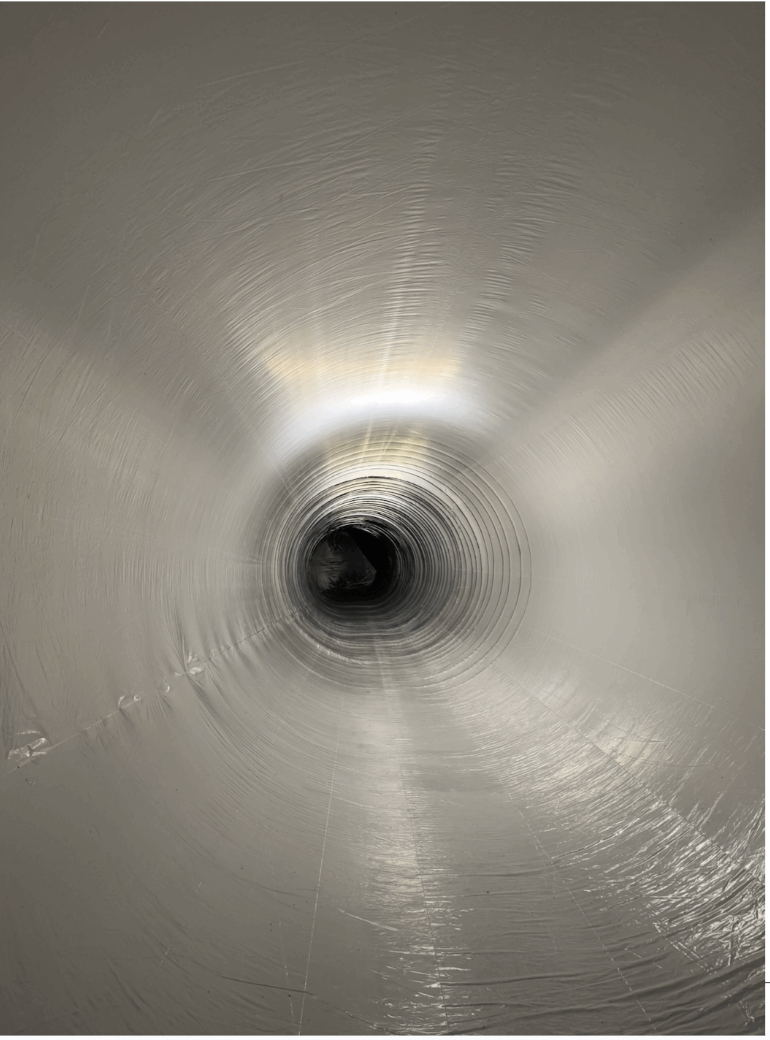
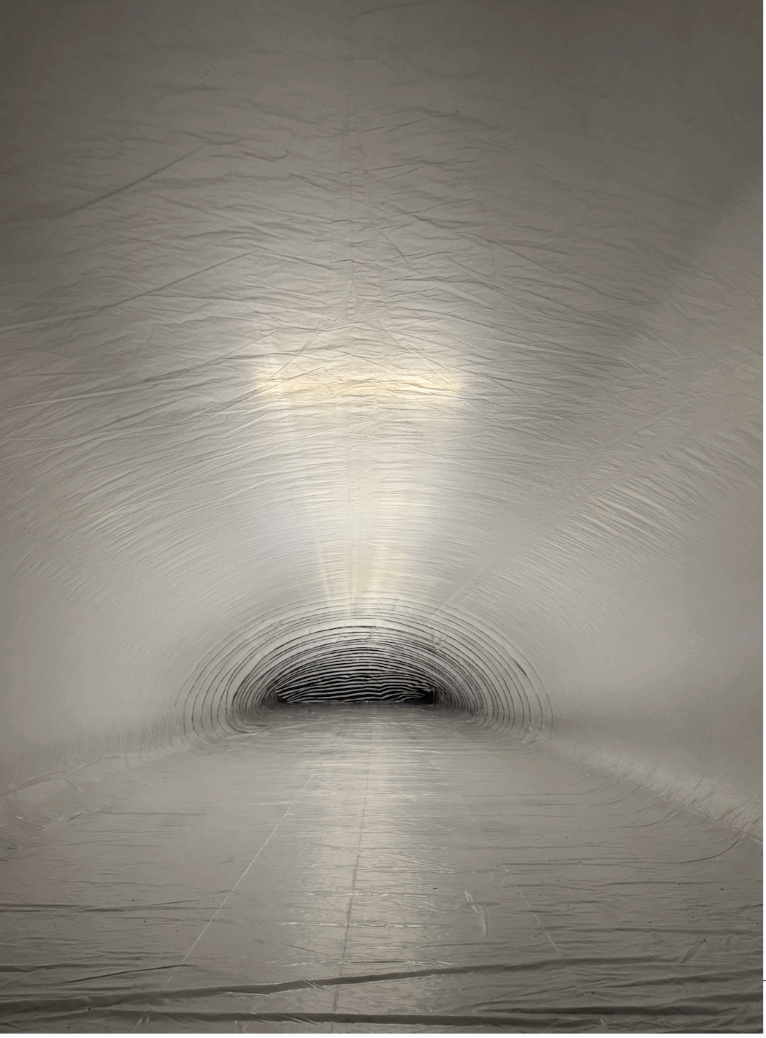
Students designed an inflatable installation that will alter the experience of their chosen site by changing the ways in which space can be occupied and perceived visually, audibly or tactilely. Through their inflatable interventions the site or space can become more: Soft, harsh, cute, shiny, welcoming, disorienting.
Featured Work:
Untitled: Defne Koyoglu, Carly Weinberger, and Zoela Gullo | Our specific tunnel has all of the right qualities to add to the creepiness and feeling of descent that is so central to our concept. It has automatic doors that draw you in, it does not look like the surrounding tunnels, which gives the sense that you are entering someplace entirely elsewhere, it slopes downhill, and it is incredibly hot. The lights are too bright, the walls too white, and the moldy pipes too disgusting. It is the perfect site to host our project.
MIS-DRAWING MACHINE
Students were asked to make a Mis-Drawing Machine. The history of drawing and art-making machines stretches back centuries, with artists and inventors creating devices to explore automation, chance, and mechanical aesthetics. Their was skepticism on the part of art critics who viewed machine-made art as lacking human intent or soul. Their was also a debate about authorship. Over time, there has been a shift in perception. Machine-based art has gained serious critical and academic attention, especially in generative and AI art. Drawing or art making machines were rarely about the automation of art making, they were about playfulness & critique. Many of these machines were created to challenge the boundaries of creativity, question the role of the artist in the art making process, and expand the artists art making toolbox.

HOW TO DESIGN | 2024 MIT
Skylar Tibbits - Professor | Berfin Ataman - Teaching Assistant | Oliver Moldov - Teaching Assistant | Will McKenna - Technical Instructor
RULE BASED DRAWING
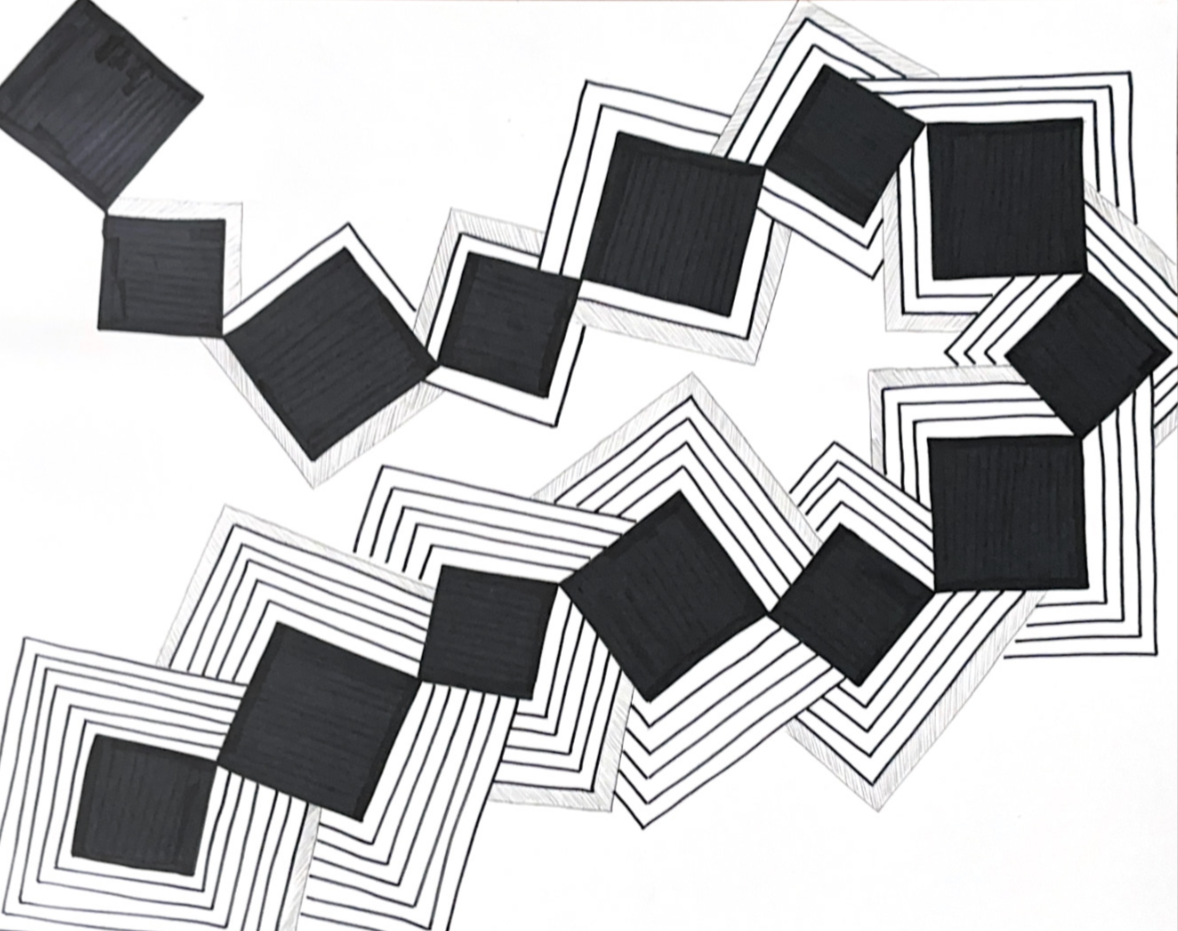
Students develop a rule-based drawing system by starting with a geometric primitive and defining a set of rules for its transformation through operations such as movement, rotation, reflection, scaling, or deformation. These rules are applied through at least 100 iterations, emphasizing repetition and variation as core design tools. The rules are then translated from drawing into making by using paper and fabrication methods such as folding, layering, cutting, weaving, and crumpling, transforming rules for drawing into rules for fabrication and material behavior.
Featured Student Work:
Krystal Jiang, Kenia Benitez Sanchez.
PYSICAL PHENOMENON
Students were asked to engage directly with physical and engineering phenomena and to translate abstract forces into tangible, legible design systems. Rather than treating physics as background knowledge, the course positioned phenomena as active generators of form, process, and material behavior. Students selected a phenomenon rooted in physics or engineering, such as gravity, magnetism, wave propagation, oscillation, airflow, friction, or hysteresis, and began by researching how it operates across scales and contexts. This research phase emphasized observation and interpretation over calculation alone, encouraging students to ask: How does this force behave? How does it reveal itself over time? Where does it resist control?
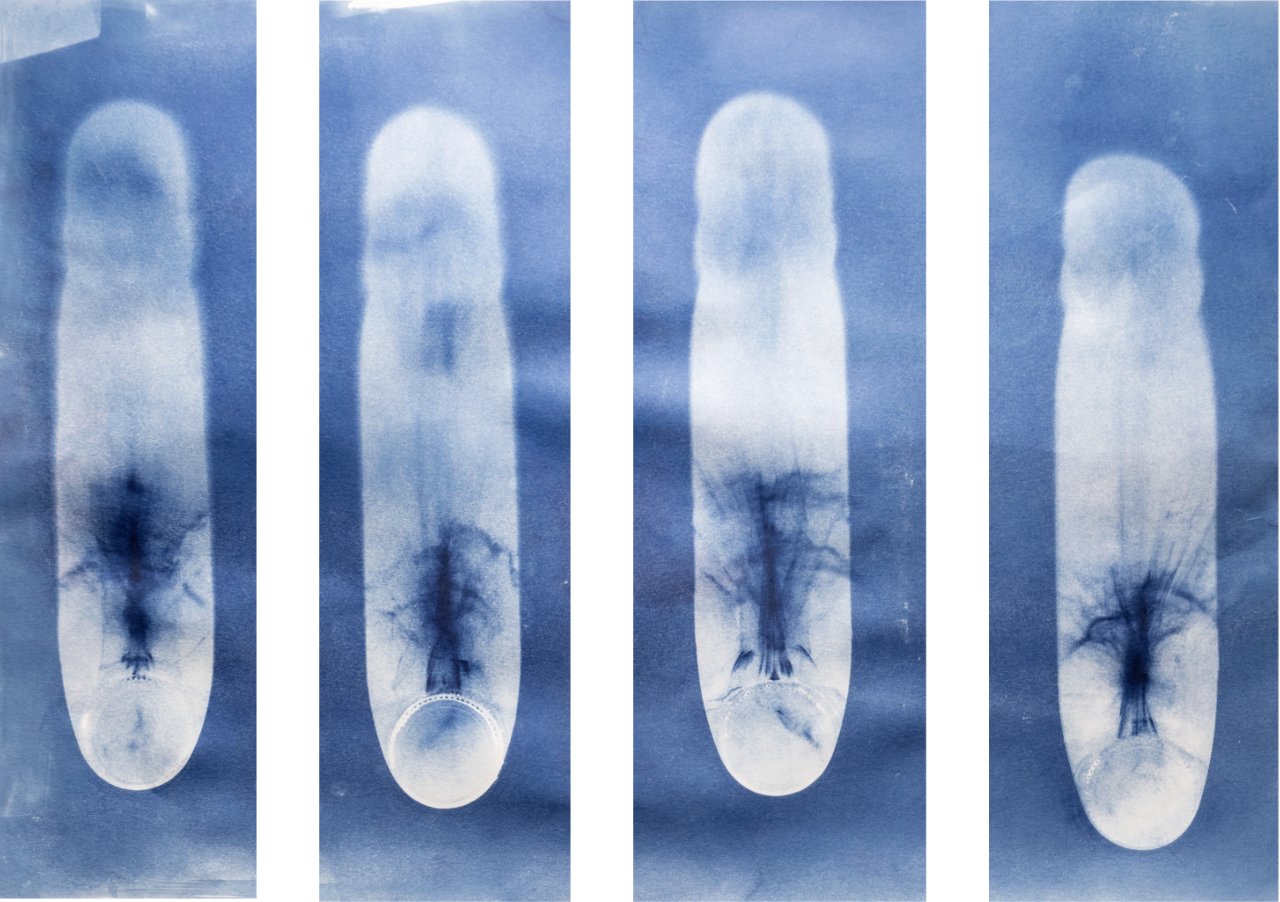
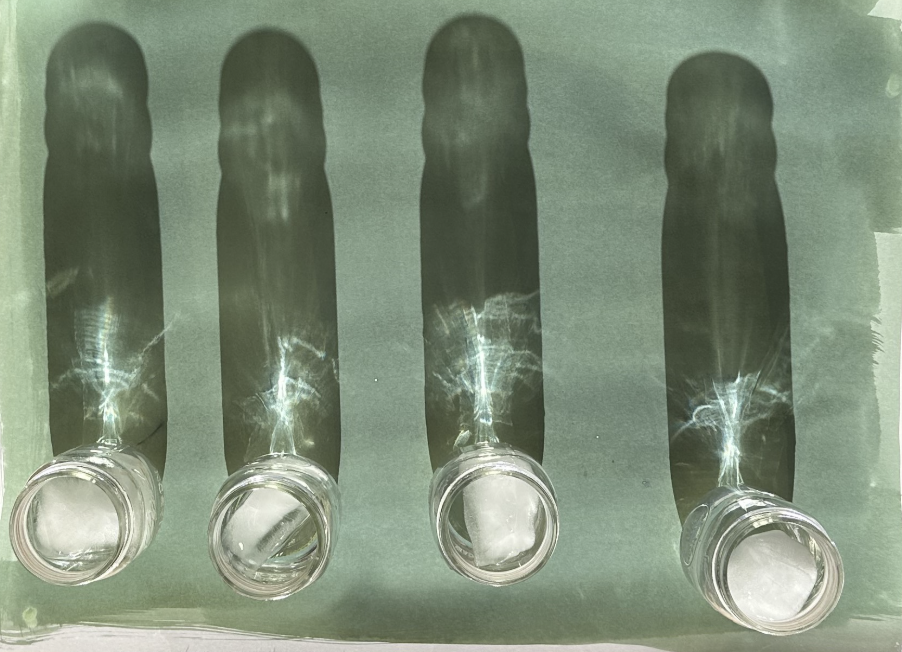
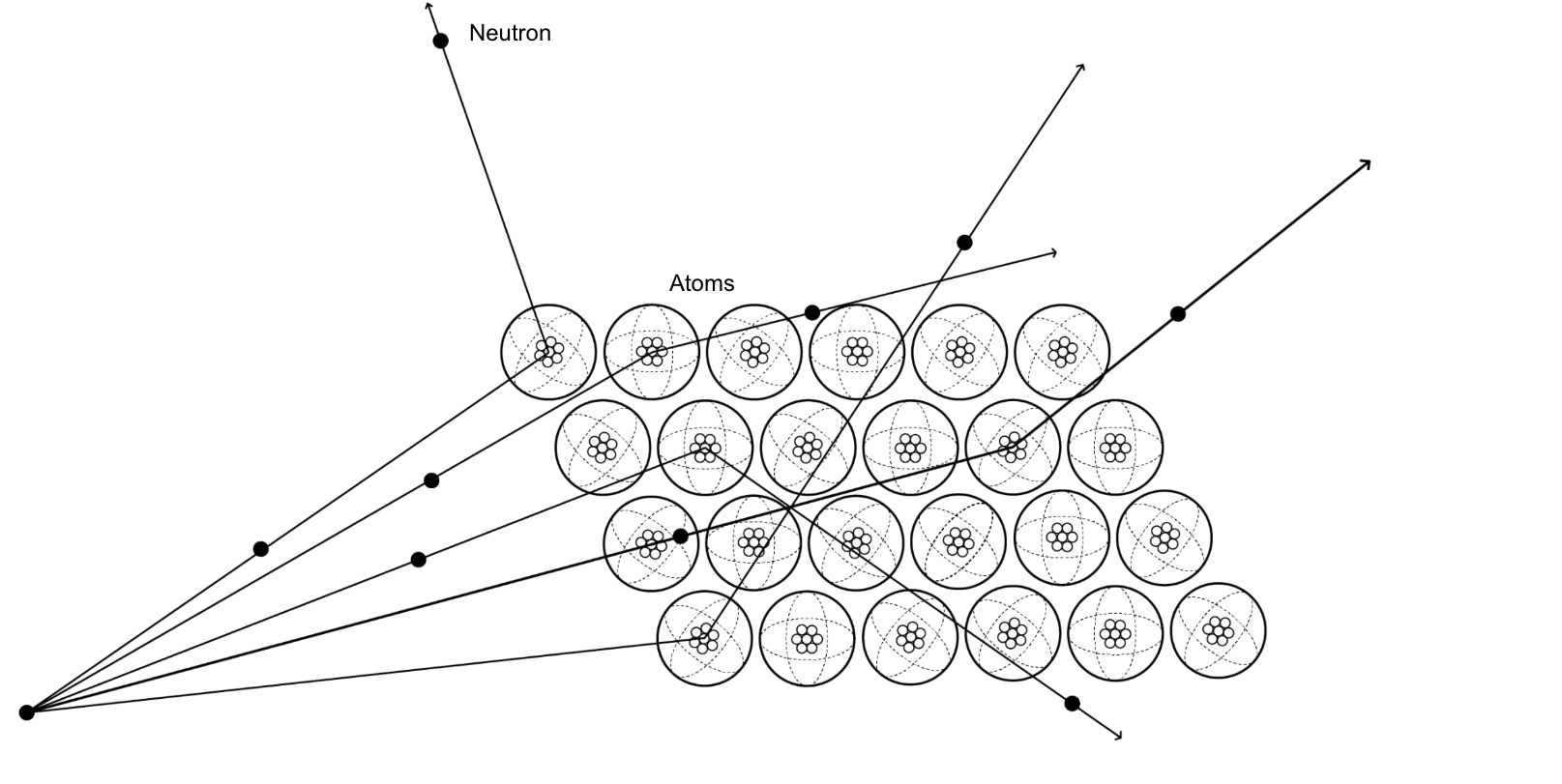
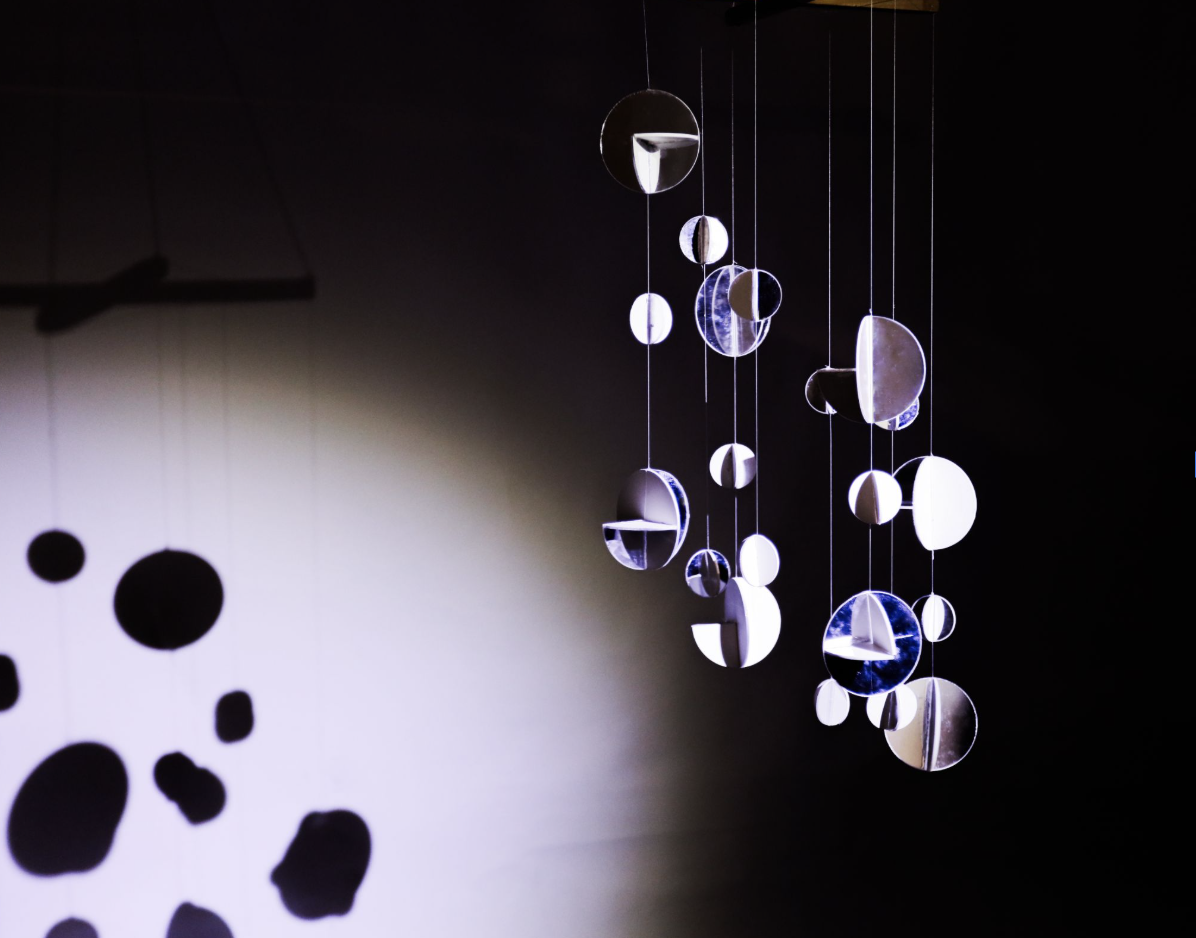
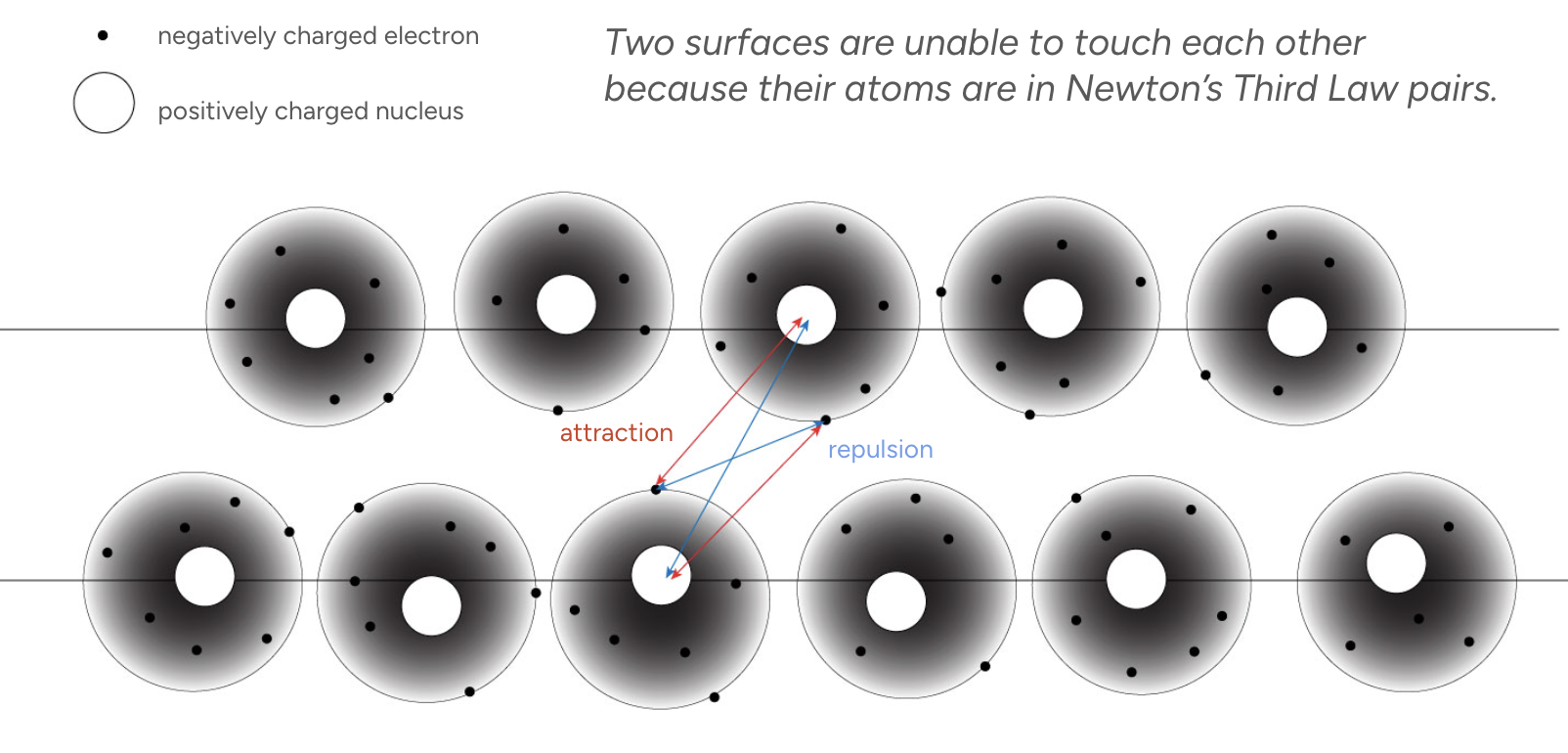
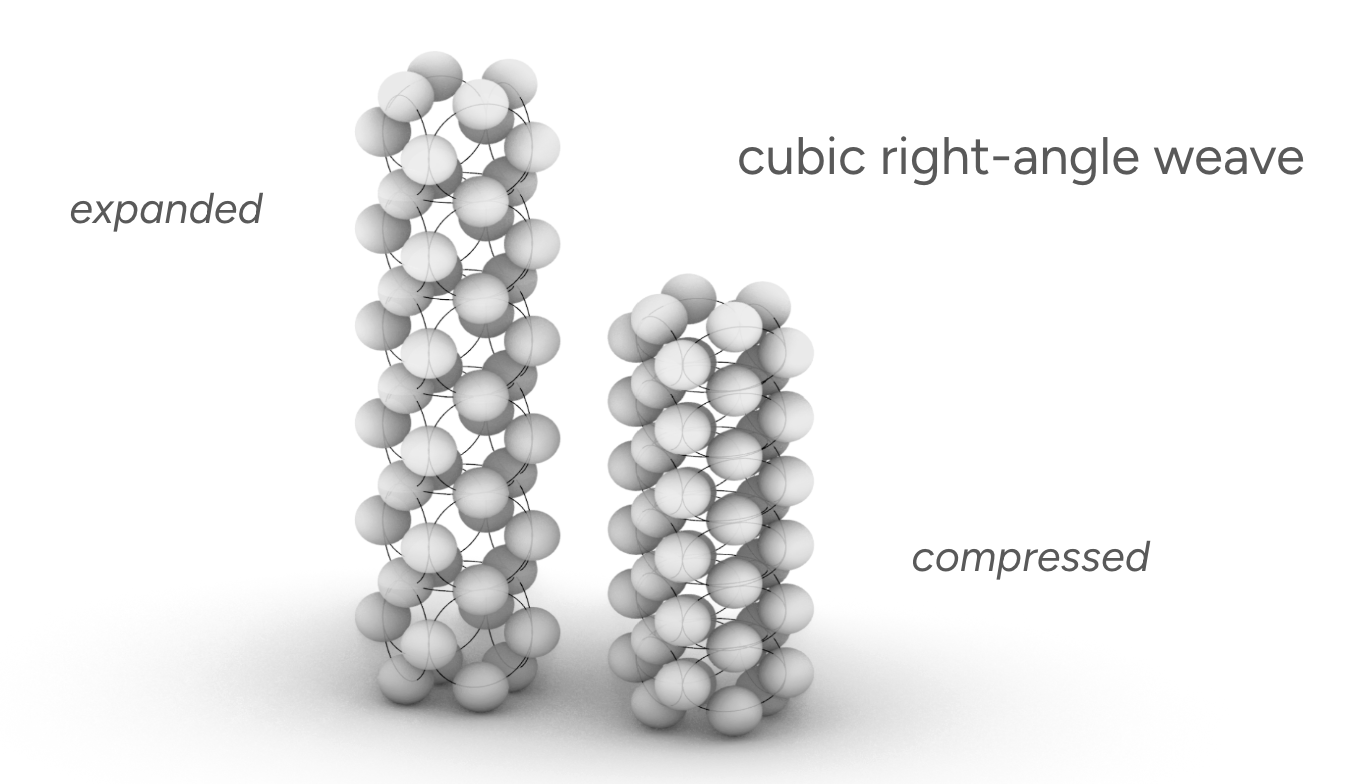
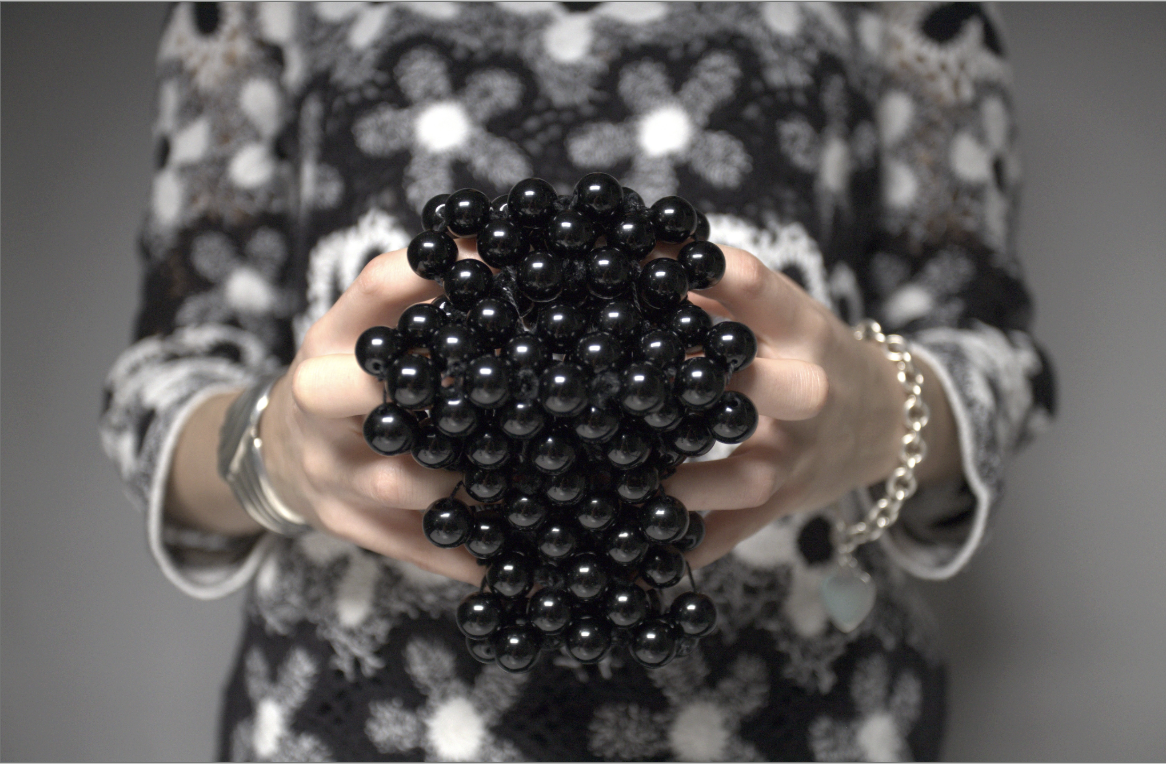
Featured Projects In Order :
Sophie Latz, Cyanotype Caustics: This project explores how light diffraction and caustics create patterns and images through ice, shape, and light, captured with cyanotypes Krystal Jiang, Neuron Scattering : This project explores visual representation of neutron scattering through a hanging installation piece that incorporates reflective surfaces, rotating objects, lights, and shadows to show chaos stemming from ordered forms. Liz Lin-Moore, “No Two Things Actually Touch”: The project creates a collaborative mechanism that measures people’s (in)ability to touch
INFLATABLES
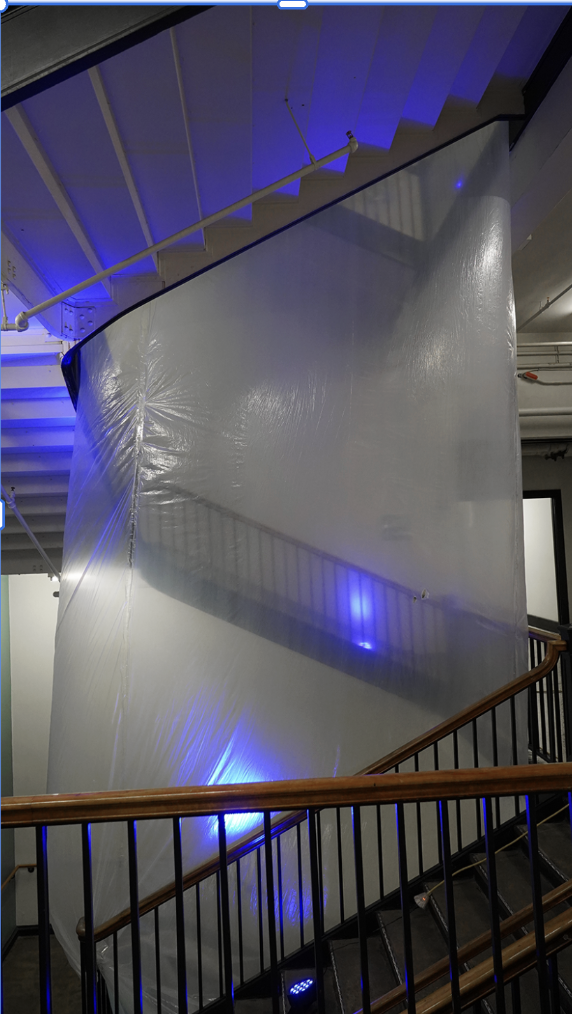
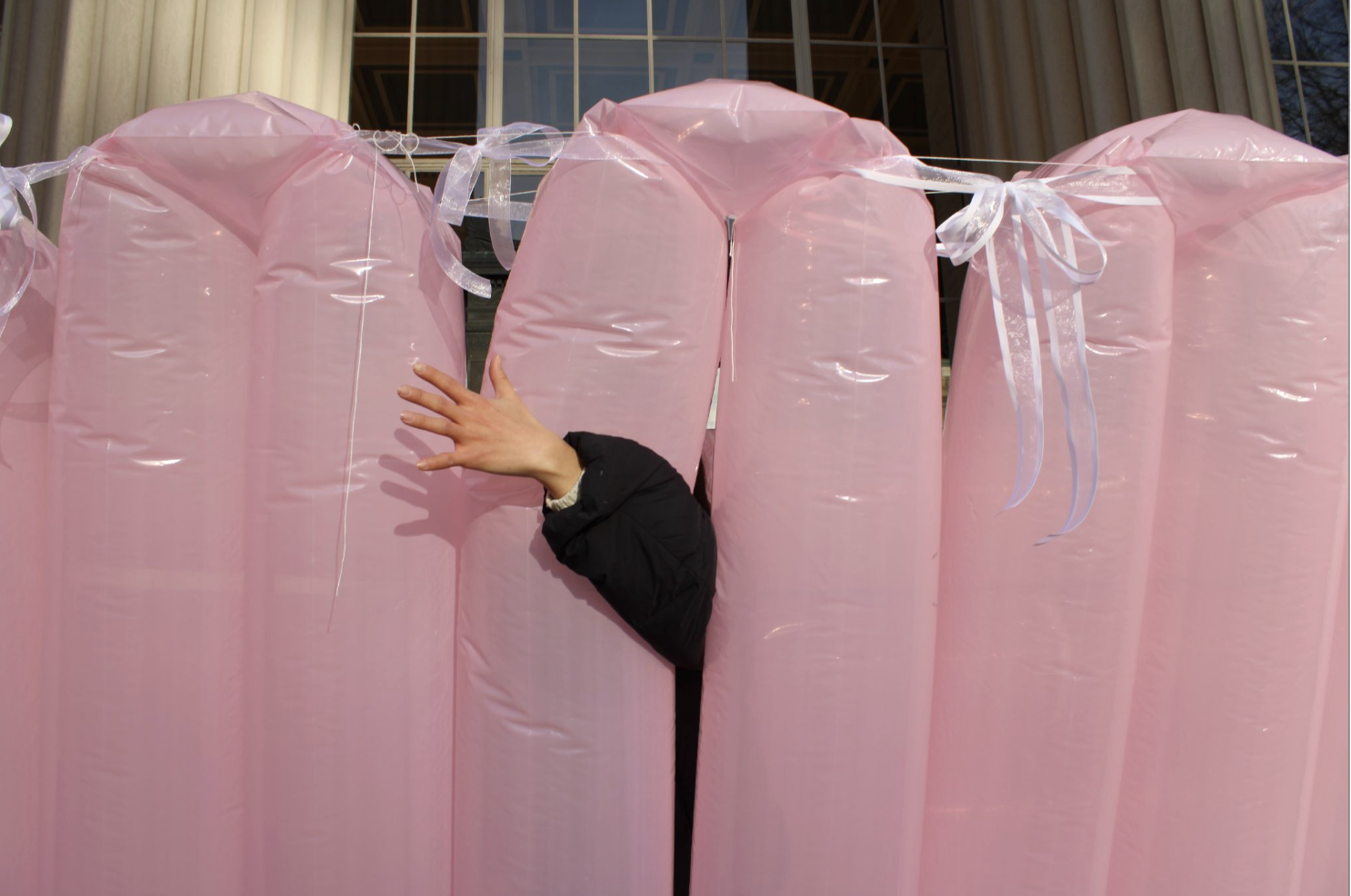
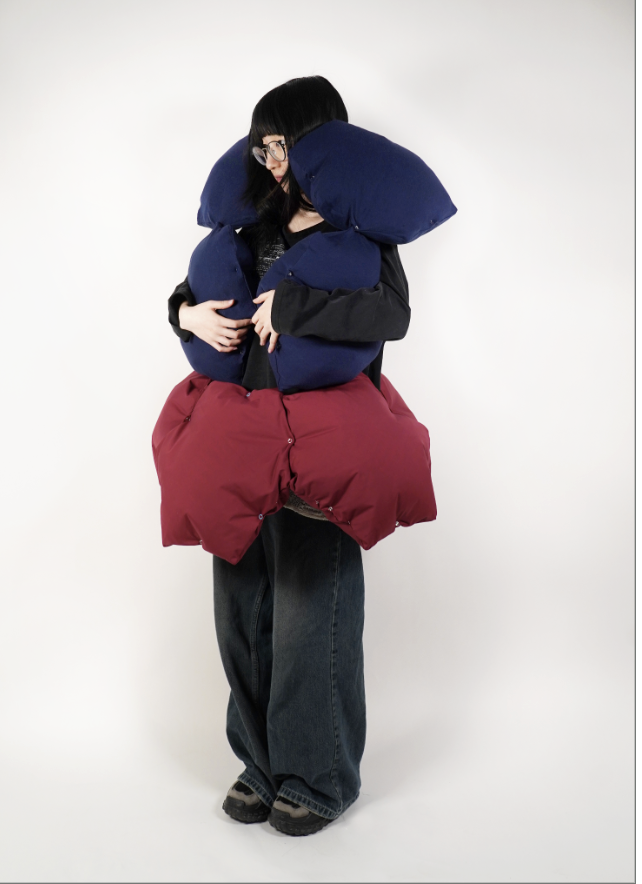
Working in teams, students identify existing or missing systems of support on the MIT campus, such as seating, shading, lighting, or spatial buffers. Using inflatables as the sole fabrication medium, students explore how air, pressure, and softness can become architectural and experiential tools.The project emphasizes iteration through making, with students producing numerous inflatable prototypes to test sealing methods, joints, valves, and structural behavior. Alongside physical prototyping, students develop narratives and storyboards that describe how their intervention unfolds over time and affects its surroundings. The final outcome is a full-scale inflatable installation, supported by a refined concept statement, working drawings, site diagrams, deployment sequences, and extensive photographic documentation
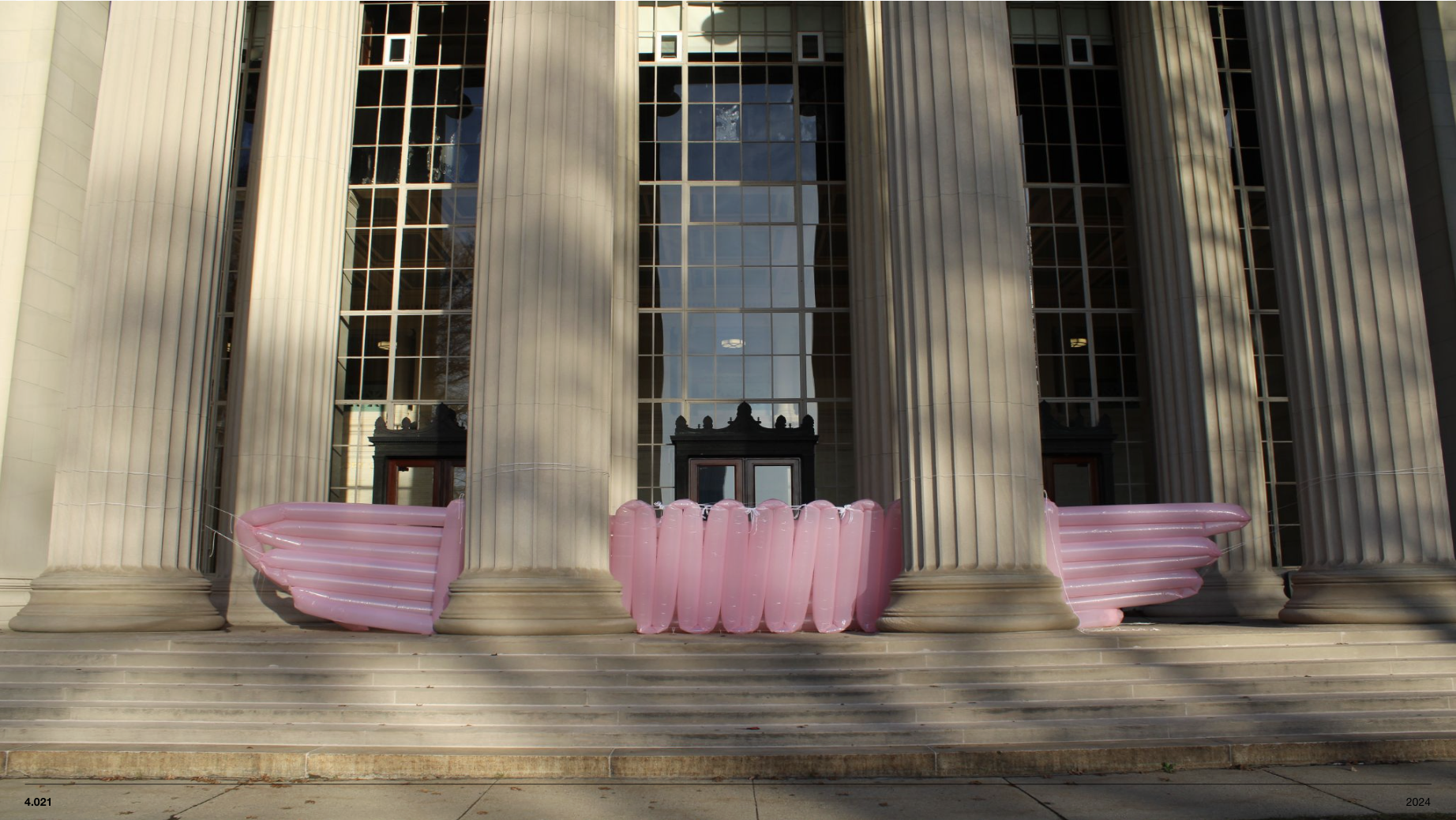
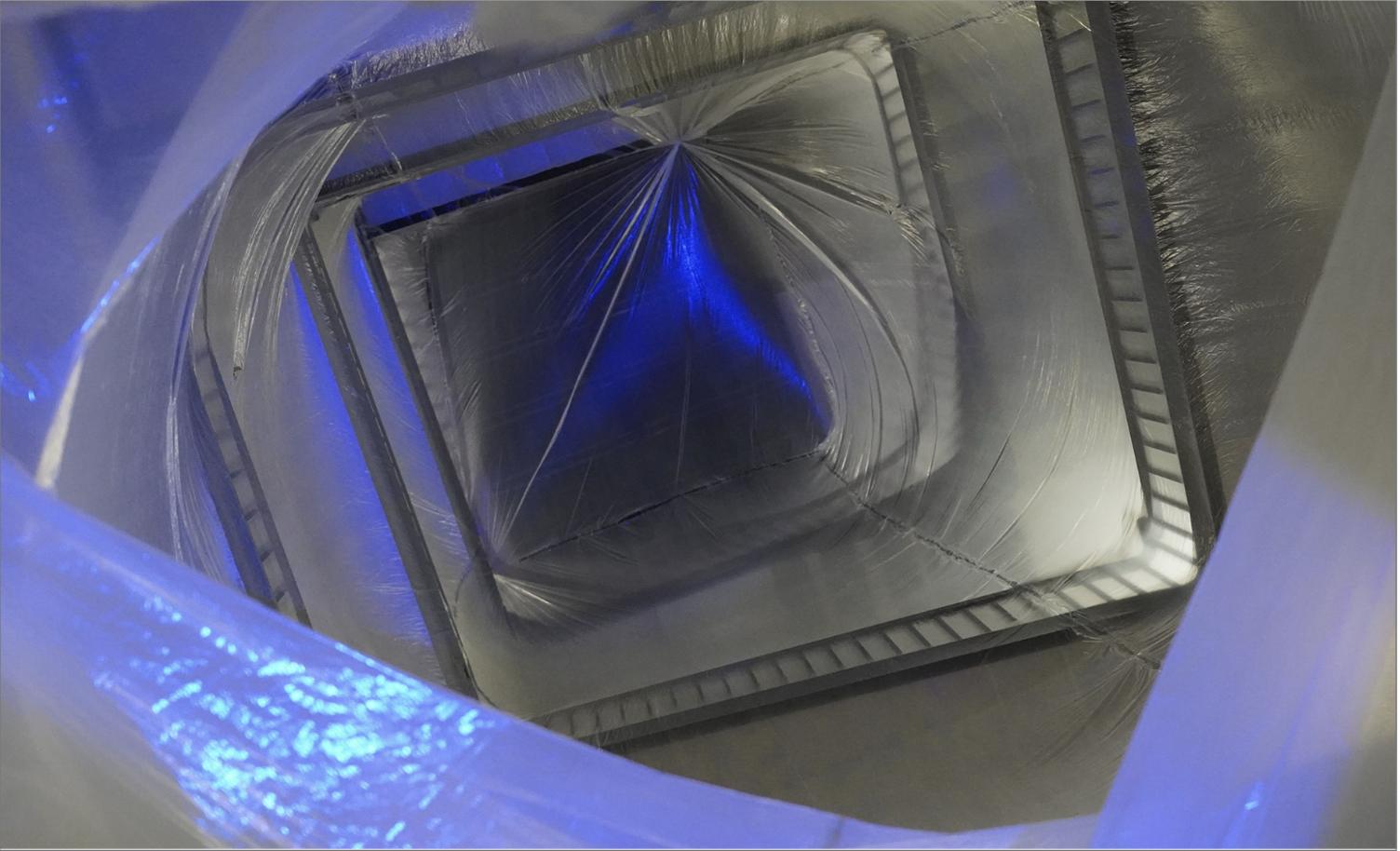
Featured Projects In Order :
Krystal Jiang, Kortni Foreman, Lucinda Sun: This project explores the creation of comfort and communication with inflatables to emulate peer/student support. Shinyoung Kang, Abby Suk , Sylvie Seo:This project explores the creation of permanence using inflatable seating to support human connection in a place of transition. Remington Kim, River Adkins, Nicole Bunyatov: This project explores the creation of progress and change with inflatables to support the ascent/descent of a spiral staircase.